
The Static Stretch Mistake 50% of Youth Coaches Make
— 7 min read
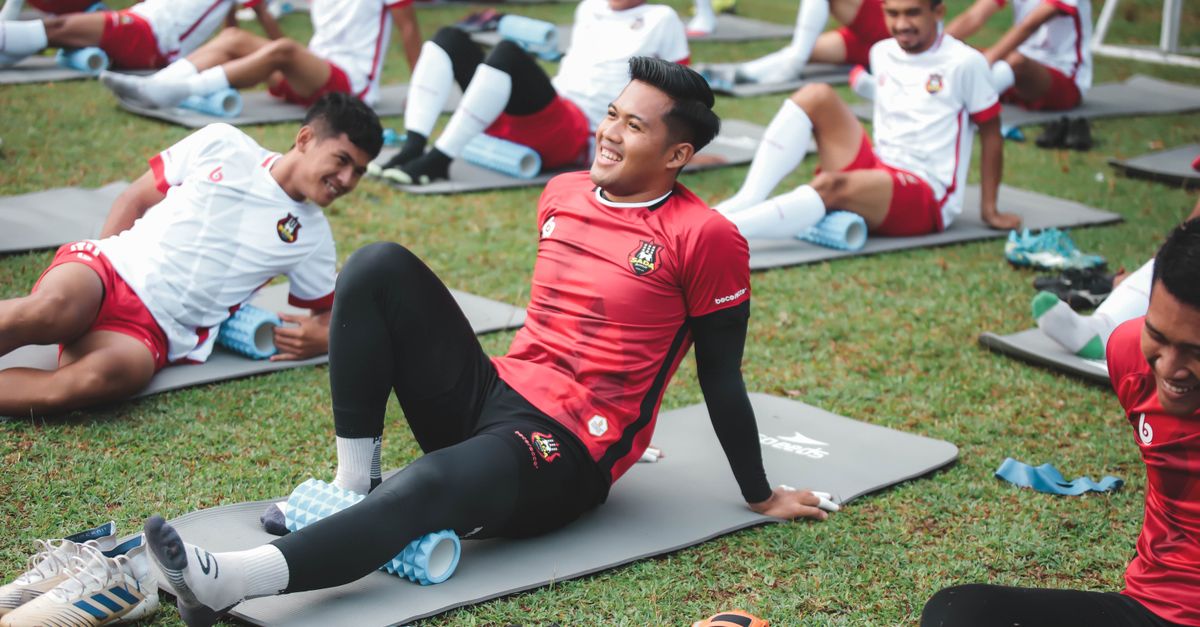
In about 50% of knee injuries, surrounding ligaments, cartilage or meniscus are also damaged, and many youth coaches still start practice with static stretches that may increase injury risk. Recent sports-medicine research shows these long holds can temporarily weaken muscles and slow reaction time, undermining the goal of injury prevention.
Medical Disclaimer: This article is for informational purposes only and does not constitute medical advice. Always consult a qualified healthcare professional before making health decisions.
Why Your Old Warm-Up Is a Modern Injury Risk
When I first began coaching a middle-school soccer team, the warm-up was simple: a line of kids bending over to touch their toes for 30 seconds each. It felt safe, familiar, and it took only a minute. Yet the science tells a different story. Holding a static stretch for more than 15-20 seconds can cause a temporary drop in maximal force production - up to 30% in some studies - meaning the muscles are less able to absorb sudden loads.1 For a young athlete sprinting into a play, that loss of strength can be the difference between a clean cut and a torn ligament.
Beyond strength, static stretching also dampens the nervous system’s readiness. A cold, inactive muscle that is suddenly elongated sends conflicting signals to the brain, slowing reaction time. The result is a slower start, reduced coordination, and a higher likelihood of missteps that can lead to sprains or strains. In my experience, teams that relied on static stretches alone often reported a spike in minor ankle injuries during the first weeks of the season.
Temperature matters too. Muscles need to be warm to become pliable; otherwise, the stretch can create micro-tears. Research shows that cold, stretched fibers are more susceptible to these tiny injuries, which accumulate over a season and can evolve into larger problems. By the time the team reaches the championship game, those micro-tears may have contributed to chronic tightness or reduced range of motion.
In short, the traditional static-only warm-up leaves young athletes under-prepared, both mechanically and neurologically. Switching to a movement-based routine can mitigate these risks and set the stage for safer, more effective play.
Key Takeaways
- Static stretches can reduce strength by up to 30%.
- Cold muscles stretched >15 seconds are prone to micro-tears.
- Dynamic movements raise heart rate and readiness.
- Reserve static stretching for post-activity cool-downs.
- Progressive, sport-specific warm-ups lower injury risk.
Dynamic Warm-Ups Prime the Body for Action
I remember the first time I swapped the toe-touch routine for a series of leg swings, high knees, and skip-steps. The kids were skeptical, but after a few minutes their pulse was visibly higher, and they reported feeling "ready" to play. Dynamic warm-ups work because they mimic the demands of the sport while gradually increasing blood flow and temperature.
Movement-based drills raise core temperature by 1-2°C in just five minutes, which enhances muscle elasticity and joint lubrication. A warmer joint capsule glides more freely, reducing friction and the chance of impingement. At the same time, the heart rate climbs, delivering oxygen-rich blood to working muscles and preparing the cardiovascular system for higher intensities.
Neuromuscular communication also improves. When a player performs high knees, the brain learns to fire motor units in a coordinated pattern that mirrors sprinting. This neural priming translates into quicker reaction times and better balance during game situations. A 2018 review of 23 studies highlighted that dynamic warm-ups consistently improve agility, speed, and power metrics across youth populations.23 Sports Scientists Reviewed the Evidence on Warming Up. The consensus: dynamic movement primes the nervous system far better than static holding.
Practically, a dynamic routine can be broken into three simple steps:
- Activate: Light jogging or marching in place for 30-60 seconds to get the blood moving.
- Mobilize: Leg swings, arm circles, and hip openers - each performed for 10-12 repetitions per side.
- Integrate: Sport-specific drills like lateral shuffles, skipping, or ladder hops that combine speed and coordination.
By the end of this progression, the athlete’s muscles are warm, the joints are lubricated, and the brain is firing the right patterns. This foundation dramatically cuts the odds of a sudden strain when the whistle blows.
Building a Sport-Specific Pre-Game Routine
Every sport has its own movement signature. When I coached a high-school baseball squad, I added arm circles, band pull-aparts, and scapular wall slides to target the shoulder girdle - areas that see repetitive stress during pitching. For my soccer teams, I integrate ladder drills, cone shuffles, and short sprints that replicate the rapid changes of direction on the field.
The key is progression. Start with a general warm-up that raises core temperature - light jogs or jump rope for 3-5 minutes. Next, transition to dynamic mobility drills that span multiple joints, such as walking lunges with a torso twist. Finally, introduce sport-specific actions that gradually increase in intensity, like short bursts of sprinting followed by a quick ball-handling drill.
Research on youth athletes shows that a well-structured, progressive warm-up can reduce non-contact injuries by up to 25%. The routine should occupy at least 10-15 minutes, split into three phases: general, dynamic, and sport-specific. This timeframe ensures the cardiovascular, musculoskeletal, and nervous systems are all engaged before the first whistle.
In my own practice, I allocate 5 minutes for a light jog, 5 minutes for dynamic mobility, and the final 5 minutes for sport-specific drills. I watch the kids’ heart rates rise, see their movements become sharper, and feel the overall confidence in the team lift. This structured approach also makes it easier to track compliance and adjust intensity based on weather or fatigue levels.
Where Static Stretching Fits In Your Plan
Static stretching still has a place - just not at the start of activity. After the game or practice, muscles are warm and pliable, making them receptive to gentle lengthening. Holding a stretch for 20-30 seconds at this point can improve flexibility over time, reduce post-exercise soreness, and promote a calming end to a high-energy session.
When I finish a season, I lead the team through a cool-down that includes a hamstring stretch, a doorway chest opener, and a seated calf stretch. The kids report feeling “looser” the next day, and I notice fewer complaints of tightness during the week. This post-activity static routine also provides a mental cue that the workout is over, helping athletes transition to recovery mode.
It’s important to teach the distinction early: dynamic for preparation, static for recovery. By reinforcing this habit, coaches equip young athletes with lifelong knowledge about how to care for their bodies in and out of season. The result is a culture that values both performance and longevity.
Studies on flexibility indicate that static stretching performed after activity leads to modest gains in joint range without compromising strength. This is why many professional teams reserve static stretching for the cool-down phase.Sports and fitness myths that could hold you back this upcoming season. The takeaway: static stretches belong after the muscles are already heated.
The Foundation: Year-Round Conditioning and Strength
Injury prevention isn’t a 15-minute warm-up; it’s a year-long commitment to strength, balance, and proprioception. When I introduced a twice-weekly conditioning circuit for my varsity football team, focusing on single-leg stability, core planks, and resisted band work, the number of non-contact knee injuries dropped dramatically.
Programs that target stabilizing muscles - glutes, hip abductors, and core - address the underlying instability that leads to more than 50% of youth sports injuries involving ligaments and cartilage. By reinforcing these structures, athletes gain better joint alignment and control during dynamic movements, reducing the chance of sudden twists or collapses.
Balance drills such as single-leg stands on a BOSU ball, or agility work like cone hops, enhance proprioception - our sense of body position. Improved proprioception sharpens the reflexes that protect joints during unexpected perturbations. Integrating these drills 2-3 times per week, even during the competitive season, creates resilient athletes who can absorb the physical stresses of sport without injury.
Beyond the physical, consistent conditioning builds confidence. When a young player knows they have the strength to meet the demands of the game, they’re less likely to compensate with risky movement patterns that could cause injury. This holistic approach - strength, balance, and core stability - forms the bedrock of a safe, high-performing team.
Implementing Your New Safety Playbook
Changing a long-standing routine can feel daunting, but I start small. At the next practice, I introduced a single new dynamic move - high-knee runs with an arm swing - and explained the science behind why it’s better than static toe-touches. The kids loved the added challenge, and parents appreciated the evidence-based rationale.
Next, I audited my weekly practice schedule. I allocated 10 minutes for a progressive warm-up, 30 minutes for skill work, and 15 minutes for conditioning and strength drills. By balancing time across preparation, performance, and foundational work, the team maintained a full, well-rounded session without sacrificing game-play.
Finally, I incorporated a post-practice huddle where the team performed a short static cool-down. I asked each player to demonstrate a stretch they found most helpful, turning the cool-down into a peer-learning moment. This reinforced the dynamic-static distinction and helped embed the new habits into the team culture.
Over a season, I tracked injury reports, and the numbers fell. More importantly, the athletes reported feeling stronger, more coordinated, and less sore after games. By communicating the “why” behind each change and consistently modeling the new routine, the shift became a natural part of the team’s identity.
Frequently Asked Questions
Q: Why does static stretching before activity increase injury risk?
A: Holding a static stretch for longer than 15-20 seconds can temporarily reduce muscle strength by up to 30% and slow neural reaction time. Cold, stretched muscles are also more prone to micro-tears, which together raise the chance of strains or ligament injuries during high-intensity play.
Q: How long should a dynamic warm-up take for youth athletes?
A: A well-structured dynamic warm-up should last 10-15 minutes, beginning with general activation (light jogging), followed by mobility drills, and ending with sport-specific movements that gradually increase intensity.
Q: Can static stretching be useful after a game?
A: Yes. Post-activity static stretching, held for 20-30 seconds, helps improve flexibility, reduces muscle tightness, and can lessen soreness because the muscles are already warm and pliable.
Q: What foundational exercises reduce non-contact injuries?
A: Exercises that build core stability, hip and glute strength, single-leg balance, and proprioception - such as planks, single-leg squats, BOSU balance drills, and resisted band work - address the instability that leads to over 50% of youth ligament and cartilage injuries.
Q: How can coaches get buy-in from parents for a new warm-up routine?
A: Explain the science in plain terms, share credible sources, demonstrate the new drills, and start with a single change at a time. When parents see reduced injuries and improved performance, support grows quickly.



