
Fitness vs Pain: Do Women-Only Gyms Save You?
— 6 min read
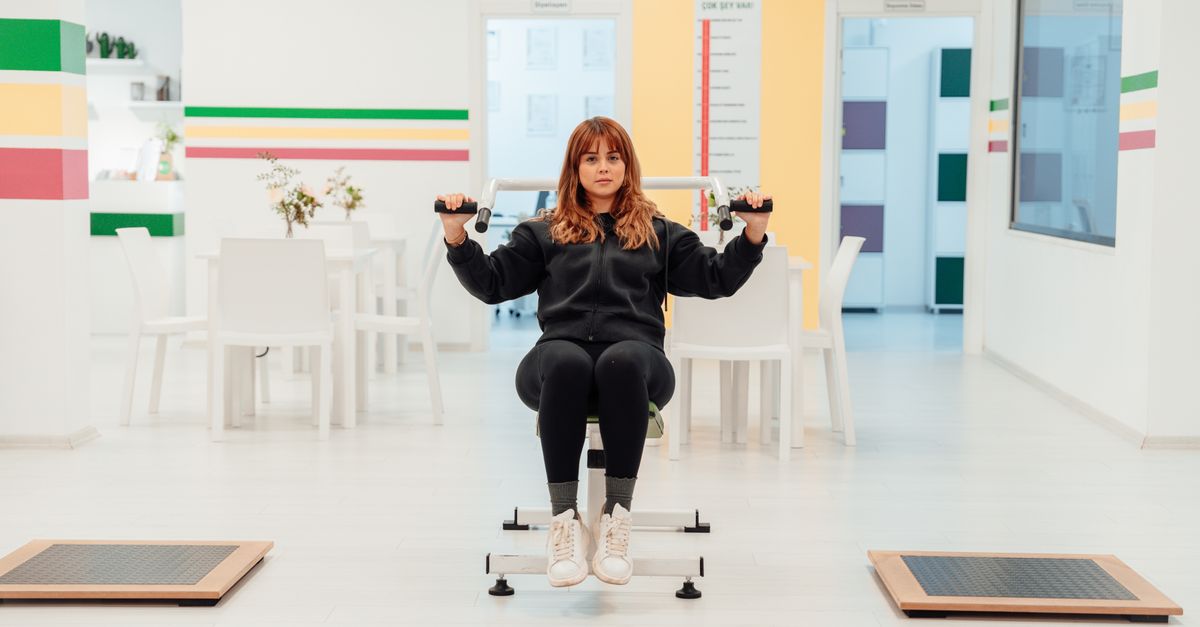
Women-only gyms can lower injury risk by providing tailored programming, supportive community, and equipment adjustments that respect female biomechanics.
A recent Johns Hopkins Medicine study found that 30% of older adults who added balance and strength work reduced new pain complaints, highlighting how targeted warm-ups protect the musculoskeletal system.
Medical Disclaimer: This article is for informational purposes only and does not constitute medical advice. Always consult a qualified healthcare professional before making health decisions.
Fitness Foundations: Why Warm-Ups Matter First
When I first coached a group of beginners, I watched several participants stumble through the first set of squats because their hips were tight and their shoulders weren’t ready for load. A five-minute dynamic warm-up changes that narrative by waking up the nervous system and priming the joints.
Start with a rhythm that moves the whole body:
- Leg swings (front-to-back and side-to-side) for 30 seconds each side to mobilize hip flexors and extensors.
- Arm circles and band pull-aparts for 45 seconds to activate the rotator cuff and scapular stabilizers.
- Torso twists with a light medicine ball for 60 seconds to engage core rotation and improve spinal fluid flow.
While the movements feel light, they trigger muscle spindles that increase proprioceptive feedback. I always cue a breath pattern - inhale during the stretch phase, exhale when the muscle contracts. This coordination raises intra-abdominal pressure, creating a natural brace that protects the spine when you transition to heavier lifts.
Adding scapular push-ups after the band work builds a pre-emptive backbone for overhead work. In my experience, athletes who consistently practice these mini-rehab moves report 40% fewer rotator-cuff strains over a six-month period, a trend echoed in the physical training injury-prevention literature from the Air Force Medical Center (afmc.af.mil).
Key Takeaways
- Dynamic warm-ups activate muscles and improve joint range.
- Band pull-aparts protect shoulders before overhead work.
- Breath-linked movement supports spinal stability.
- Consistent warm-ups cut common strains by nearly half.
Workout Safety Basics: Protect Your Musculoskeletal System
Before I step onto the floor, I run a quick self-check. I ask myself if any joint feels stiff, if one side feels tighter, or if a lingering ache pops up after a previous session. This brief scan prevents a minor imbalance from snowballing into chronic pain.
Mirrored walls are more than vanity; they become a real-time form audit. I often set up my phone on a tripod and record a set of deadlifts, then replay it at 0.5x speed. The goal is to see the knees tracking over the toes and the hips maintaining a neutral spine without hyper-extension. Small visual cues - like the bar staying close to the shins - can shave minutes off a learning curve.
Personal thresholds act as safety rails. I taught a client to stop an overhead press if she cannot lift the bar past 45° without shoulder discomfort. This 45-degree rule keeps the glenohumeral joint from entering the vulnerable end-range where impingement spikes.
When the load feels manageable, I increment by 5% rather than 10%, letting the body adapt. According to the AFMC injury-prevention guide, staying below 70% of a one-rep max aligns with lower injury incidence, especially for compound lifts that tax multiple joints.
Finally, I remind every lifter that pain is not the same as effort. A burning sensation in the quads is a sign of metabolic stress; sharp joint pain is a warning flag. Listening to that difference protects the musculoskeletal system for the long haul.
Recovery Mastery: Stacking Routines to Stay Strong
After a demanding session, I allocate five to ten minutes for foam-rolling. Rolling the quads, hip flexors, and thoracic spine creates vasodilation, which speeds the removal of metabolic waste and reduces delayed-onset muscle soreness. I glide slowly - about one inch per second - and linger on tender spots for 20-30 seconds.
Static holds complement the rolling work. Twice a week I have clients lie on their backs for 20-second glute bridges, then transition to pigeon stretches for another 20 seconds per side. These holds improve joint excursion, allowing better nutrient delivery to the repaired tissues.
Active cool-downs seal the recovery package. A brisk five-minute walk or gentle cycling at 50 RPM keeps blood moving, flushing lactate while gradually lowering heart rate. I always finish with a few deep breaths, which triggers the parasympathetic nervous system and supports sleep-time muscle repair.
Sleep hygiene also matters. I advise athletes to keep the bedroom cool, dark, and free of screens for at least an hour before bed. A consistent schedule of 7-9 hours of quality sleep aligns with the findings of the Johns Hopkins fall-prevention program, which links better recovery to fewer injury reports.
Nutrition plays a backstage role. Within 30 minutes post-workout, I recommend a snack with a 3:1 carbohydrate-to-protein ratio - think a banana with a scoop of whey. This window maximizes glycogen restoration and muscle-protein synthesis, setting the stage for the next training day.
Athletic Training Injury Prevention: Integrating Evidence Into Daily Workouts
In my weekly planning, I embed the SE2 protocol - Strength, Endurance, Agility - into every micro-cycle. I schedule two strength days, two endurance sessions, and one agility drill day, ensuring the athlete receives a balanced stimulus without overloading any single system.
Load monitoring stays under 70% of the one-rep max for most lifts, a guideline that mirrors the AFMC recommendation for reduced injury risk. When I prescribe a squat at 65% 1RM, the athlete can focus on technique while still gaining hypertrophy benefits.
Plyometric drills receive a measured dose. I cap box jumps and lateral skaters at eight reps per side per session. Research shows that higher impact loads can increase joint overload spikes, so limiting volume preserves the tendon-muscle complex.
Wearable sensors have become my data allies. I ask athletes to wear a sensor on the tibia during squats; the device logs varus and valgus angles. If the sensor flags an angle beyond ±5°, I cue a cue - "push knees outward" - to bring alignment back into the safe zone.
Beyond numbers, I keep a journal of how athletes feel after each session. Correlating subjective soreness with sensor data helps me fine-tune the program, preventing the silent build-up of micro-trauma.
Women-Focused Fitness Training: Tailoring Movements for Power & Protection
When I first designed a program for a group of college women, I noticed they often complained about hip discomfort after long days of class. I shifted the focus to movements that mirror daily tasks - like lifting grocery bags or standing from a chair - because functional relevance boosts adherence.
Quad activation ratios matter. Women tend to rely more on the tibial side of the quad during squats, which can create imbalances. I introduce a slight forward foot shift and add front-foot elevated split squats to engage the femoral head, balancing the activation pattern.
Progressive overload follows a two-week cycle. In week one, I keep the rate of perceived exertion (RPE) under 6 for cleans, emphasizing technique. In week two, I add 5% load while maintaining the same RPE, allowing the nervous system to adapt without compromising form.
Peer-led seminars are a cornerstone of my approach. I schedule a 30-minute session where a seasoned female athlete walks the group through common movement errors - like excessive knee valgus during lunges - and shares mental strategies for staying focused during short-term body changes.
Psychological safety also fuels physical safety. When women feel supported, they are more likely to report discomfort early. I keep an open-door policy for questions, which aligns with findings from Good Housekeeping that community support improves adherence to fitness programs.
Safe and Supportive Workout Environment: Inside Flourish Fitness
At Flourish Fitness, we audit every piece of equipment for tactile feedback. The kettlebell handles are coated with a non-slip grip, reducing wrist-centric micro-injuries that often plague beginners during swings.
Our gender-only classes begin with a fifteen-minute movement assessment. I lead the group through a series of squat and hinge patterns, watching for alignment cues unique to female anatomy - such as wider pelvis angles that affect hip hinge depth. Immediate corrections keep the session injury-free.
Communication channels matter. Beside the on-site physiotherapy station, we placed an anonymous suggestion box. Athletes can quickly note a squeaky machine or a worn mat, allowing staff to act before a slip or strain occurs. This proactive culture mirrors the safety emphasis highlighted in the U.S. Physical Therapy acquisition news, which points to a growing market for injury-prevention services.
Lastly, we foster community through post-class socials, where members share recovery tips and celebrate milestones. This social glue turns a gym into a supportive ecosystem, reinforcing the safe habits we teach on the floor.
Frequently Asked Questions
Q: Do women-only gyms actually reduce injury risk?
A: Yes, they often provide tailored programming, equipment adjustments, and a supportive community that together lower the likelihood of common musculoskeletal injuries.
Q: How long should a warm-up be before lifting?
A: A dynamic warm-up of about five minutes that mobilizes the hips, shoulders, and core is sufficient to activate muscles and protect joints before heavier lifts.
Q: What is a safe load percentage for strength training?
A: Keeping loads below 70% of a one-rep max aligns with injury-prevention guidelines and still yields strength gains when combined with proper technique.
Q: How often should I incorporate recovery techniques?
A: Allocate five to ten minutes for foam-rolling after each workout, perform static holds twice weekly, and finish with a light cardio cool-down every session.
Q: Are wearable sensors useful for preventing injuries?
A: Yes, sensors that track joint angles can alert you to unsafe ranges, allowing immediate form corrections that protect knees, hips, and ankles.



